

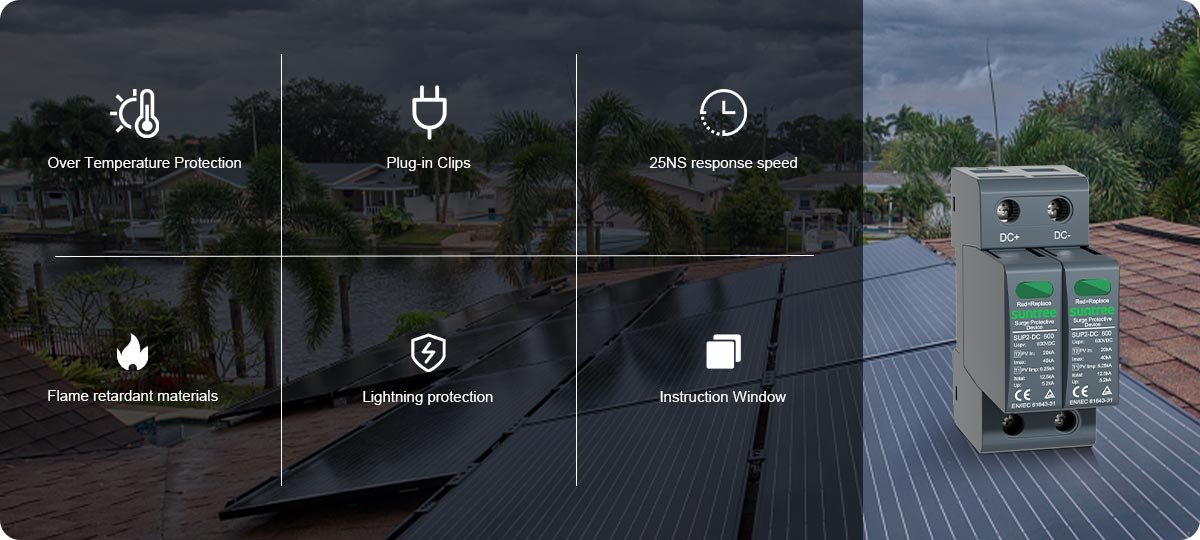
Why Every Kenyan Solar Installation Needs a DC Surge Protector: Prices, Standards, and Installation Guide
Your Solar System’s Insurance Policy
For Kenyan homeowners and businesses, solar is the smart way forward—offering freedom from high electricity costs and grid instability. However, that major investment in your solar array faces a major, recurrent threat: lightning and power surges. Kenya’s geographic location and grid infrastructure make it prone to electrical transients. Areas like the Western region, the Rift Valley, and even metropolitan centers like Nairobi experience frequent, high-intensity thunderstorms. Furthermore, the occasional power fluctuation from the KPLC grid can induce devastating surges into grid-tied and hybrid systems. A DC Surge Protective Device (DC SPD) is not an optional accessory; it is your essential, low-cost insurance policy. This device safeguards the most expensive components of your solar setup—the Offgrid and Hybrid Solar inverter and charge controller—from the sudden, massive voltage spikes that can turn a Ksh. 150,000 inverters into a write-off in a split second. This guide details exactly why, what, and how you should install a DC SPD to protect your renewable energy investment in the Kenyan climate.
The Critical Need: Why DC SPDs are a Must-Have in Kenya
In the context of Kenya’s energy landscape, the threat of overvoltage can be categorized into two main sources:
The Lightning Threat (Direct and Indirect Strikes)
Lightning is a leading cause of solar system failure. Even if lightning doesn’t directly hit your panel, a nearby strike can induce a powerful voltage surge onto your long DC cables.
- Direct Hit: Catastrophic failure of the entire system.
- Indirect Hit (Most Common): A lightning strikes up to a kilometer away can still induce a surge that travels through the cables, destroying the sensitive electronics inside the Inverter and Charge Controller.
Grid and Switching Transients (The KPLC Factor)
For hybrid and grid-tied systems, the public power grid (KPLC) is another source of danger.
- Grid Fluctuations: When the power utility switches substations, restores power after an outage, or experiences a fault, it generates rapid, high-energy voltage spikes that back-feed into your system.
- Preventing Cascading Failure: The DC SPD acts as a sacrificial barrier, absorbing the excess voltage and diverting it harmlessly to the earth, saving your costly equipment.
The Components You Must Protect
- The Solar Inverter: The “brain” of your system and the single most expensive component. Its intricate circuitry is highly vulnerable to DC-side surges.
- Solar Charge Controller (See Pricing): Essential for battery health, this device can be instantly destroyed by a DC surge.
- Battery Management System (BMS): Found in Lithium-Ion batteries, the BMS is a sensitive electronic protector that can fail under surge conditions, compromising your entire battery bank.
Choosing the Right DC SPD for the Kenyan Climate
Selecting the correct DC SPD is vital. A cheap, non-compliant device offers a false sense of security. Focus on the following technical parameters:
| Parameter | What it Means | Recommended Value for Kenya |
| Maximum Continuous Operating Voltage () | The highest DC voltage the SPD can handle continuously without triggering. | Match Your System Voltage! (e.g., 500VDC, 800VDC, or 1000VDC). Always slightly above your solar array’s (Open Circuit Voltage). |
| Nominal Discharge Current () | The peak current the SPD is rated to safely divert multiple times. | 20kA (8/20 s) |
| Maximum Discharge Current () | The maximum peak current the SPD can handle once before failing (or needing replacement). | 40kA (8/20 s) (Higher is better for lightning-prone areas). |
| Voltage Protection Level () | The residual voltage level left after the SPD acts. The lower the better. | |
| SPD Type (Class) | Refers to the test standard and application. | Type 2: Standard for installation near the inverter/combiner box in most PV systems. |
Local Standards and Quality Assurance
Ensure the product you buy is certified to international standards. A reputable DC SPD should conform to:
- IEC 61643-31: The global standard specifically for surge protective devices for photovoltaic applications.
- Kenya Bureau of Standards (KEBS) Compliance: While not specific to SPDs, purchasing from EPRA-licensed suppliers and opting for quality, internationally recognized brands is the best guarantee of reliability in the local market.
DC Surge Protector Prices and Reliable Brands in Kenyaview the full list and latest prices
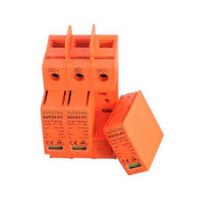
Solar (DC) Surge Protectors
Solar (DC) Surge Protectors

Solar (DC) Surge Protectors

Solar (DC) Surge Protectors
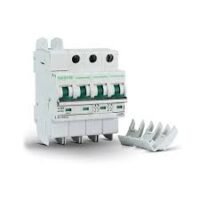
Solar (DC) Surge Protectors
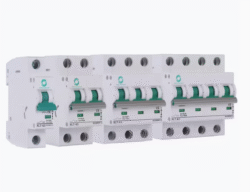
Solar (DC) Surge Protectors
Solar DC Circuit breaker Devices – MCB, MCCB, SPD (2P/3P/4P, 16A–100A)
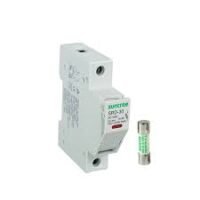
Solar (DC) Surge Protectors
A quality DC SPD is one of the lowest-cost components with the highest return on investment.
Indicative Price Range in Kenya (KSh)
A typical, high-quality 2-Pole/3-Pole, 40kA, 500VDC-1000VDC DC Surge Protective Device is available in the following range:
| SPD Specification | Estimated Price Range (KSh) |
| Standard 2P/3P, 40kA, 500VDC | Ksh 2,500 – Ksh 4,500 |
| High-End 3P/4P, 40kA, 1000VDC | Ksh 4,000 – Ksh 7,000+ |
Note: Be wary of SPDs priced significantly lower than Ksh 2,000, as they may not meet the rated capacity and could fail when you need them most.
Trusted DC SPD Brands Available Locally
At TDK we stock Leading solar surge protection brands known for their surge protection expertise:
- Suntree: A widely available and common choice for solar components in the Kenyan market.
- Chint: Another reputable brand offering various electrical and PV protection devices.
- Other Specialists: Look for devices from brands like Midnite Solar, ABB, or Victron (often sold through official Victron partners).
Proper Installation: The Kenyan Standard Practice
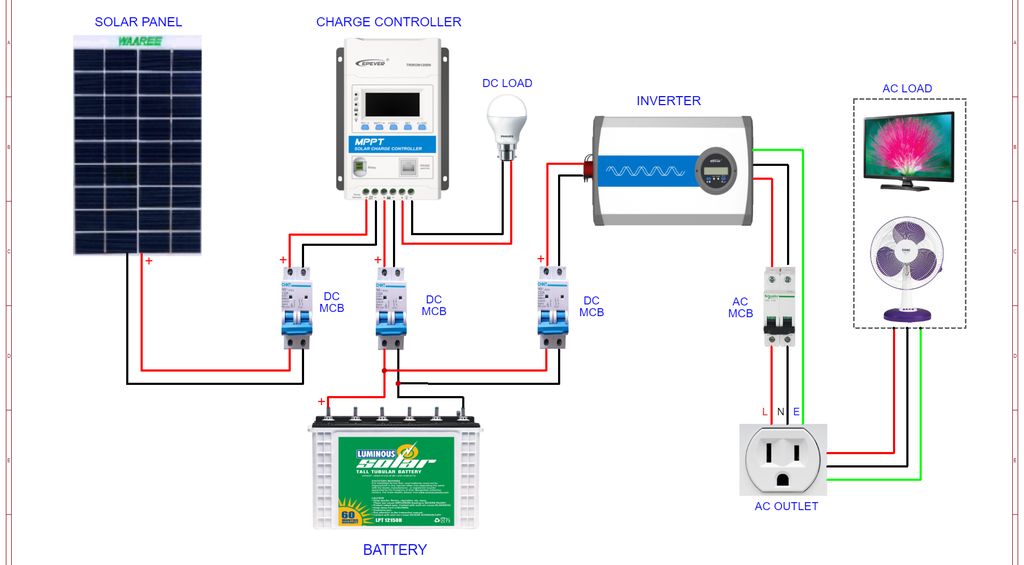
The best DC SPD is useless if installed incorrectly. Proper installation hinges on two factors: Location and Grounding.
- Optimal Installation Location (The “Double Guard” Principle)
For maximum protection, follow the Lightning Protection Zone (LPZ) guidelines:
- At the Combiner Box (Array Side): Install the first SPD where the cables come off the solar panels. This is the first line of defense against surges originating on the roof.
- At the Inverter Terminal (Equipment Side): Install the second SPD right before the DC cables connect to your inverter or charge controller. This protects the equipment from any residual surge that passes the first defense, especially if the cable run is long.
- The Non-Negotiable: Proper Grounding
A surge protective device diverts massive amounts of power to the ground. If your grounding (earthing) system is poor, the surge has nowhere to go and will still damage your equipment.
- Low Resistance: The earth connection for the solar system must have the lowest possible resistance (ideally less than ). Your EPRA-licensed solar technician must test and certify this.
- Short Connections: The connecting wires (leads) from the SPD to the main grounding point must be as short as possible to minimize inductive effects, ideally less than 0.5 meters.
Conclusion and Call to Action
In Kenya’s energetic electrical environment, installing a DC Surge Protective Device is a mandatory measure for long-term solar system health. It is a minor expense that prevents potentially catastrophic damage to components that cost 50 to 100 times more.
Don’t wait for the next thunderstorm to realize you missed this crucial step.