

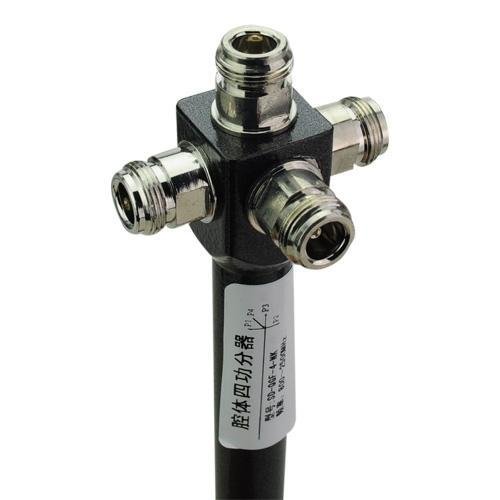
4 Way Ntype Splitter for 4G GSM Network Booster
KSh3,500.00 Ex.VAT
4 Way Ntype Splitter for 4G GSM Network Booster
A 4-way GSM splitter is a device that is used to split a single GSM signal into four separate signals. It is typically used to distribute a GSM signal to multiple devices or devices in different locations.Supports multiple network bands: Works with 2G, 3G, 4G LTE, and 5G cellular frequencies (typically 800–2500 MHz)
GSM stands for Global System for Mobile Communications, and it is a standard for wireless communication that is used by mobile phones and other devices to communicate with each other and with the cellular network. A GSM splitter allows you to share a single GSM signal with multiple devices, such as mobile phones or GSM routers and expand hous antennas to other rooms by dividing the signal into multiple signals.
A 4-way N-type GSM network splitter is an RF (radio frequency) component used to divide the boosted output signal from a single mobile repeater base unit into four separate paths. This allows you to connect up to four indoor antennas to cover multiple rooms, floors, or dead zones simultaneously.
Key Specifications to Look For
- Frequency Range: Ensure it supports 698 MHz to 2700 MHz (or wider up to 3800 MHz) to seamlessly cover all 2G, 3G, 4G LTE, and modern 5G frequency bands.
- Impedance: 50 Ohms is the standard for cellular booster systems to prevent signal reflection. Do not use 75 Ohm cable TV splitters.
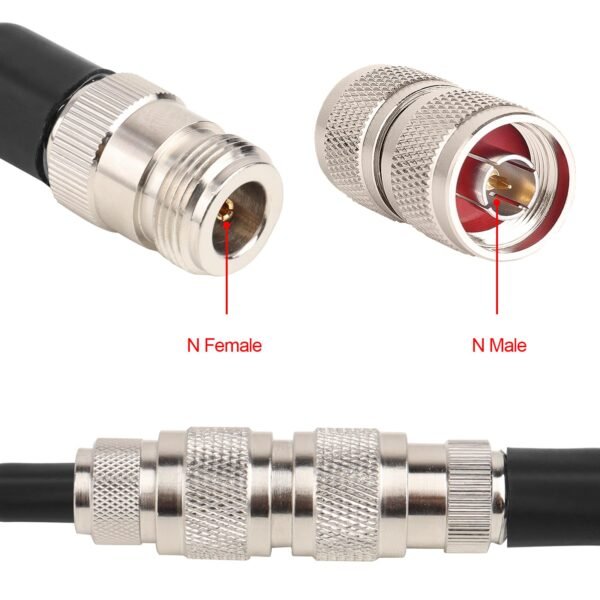
- Connector Type: Most professional amplifiers use N-Type Female ports, though some smaller setups use SMA connectors. Always verify what your booster’s “Indoor/Indoor Antenna” port uses.
- Insertion Loss: Splitting a signal naturally reduces its power. A 4-way split mathematically reduces the signal by about 6 dB per port, plus a small internal insertion loss (ideally ≤ 3 dB). [
Pro-Tips for Installation
- Calculate Signal Loss: Because a 4-way split cuts the power to each antenna significantly, only use a 4-way splitter if your outdoor signal is strong (3–5 bars outside) or if you are using a high-gain booster (70dB+). Otherwise, the indoor antennas may have a very limited broadcast radius.
- Connector Pins: When assembling your coaxial cables, ensure the internal copper wires do not touch the outer shielding inside the N-type or SMA connectors to avoid shorting out the RF signal.
- Antenna Separation: Keep your indoor antennas isolated from the outdoor antenna (using walls/floors) to prevent oscillation (feedback loops that cause the booster to automatically shut down or lower its power).
Related products
Mobile (GSM) Signal Boosters
Mobile (GSM) Signal Boosters
Mobile (GSM) Signal Boosters
Mobile (GSM) Signal Boosters
N-Type RF Connectors (Male & Female) for GSM Mobile Signal Boosters – 50 Ohm Weatherproof
Mobile (GSM) Signal Boosters