

Ubiquiti Wireless Bridges – Point-to-Point & Long-Range Network Connectivity Solutions
Ubiquiti wireless bridges are high-performance networking solutions designed to deliver reliable long-distance connectivity between buildings, remote sites, and distributed network environments. These devices are widely used in enterprise networks, ISP backhaul links, surveillance systems, and campus deployments where wired cabling is not practical or cost-effective.
Unlike standard Wi-Fi access points, Ubiquiti wireless bridges are engineered for point-to-point and point-to-multipoint communication, ensuring stable, high-speed data transmission over extended distances with minimal latency and interference.
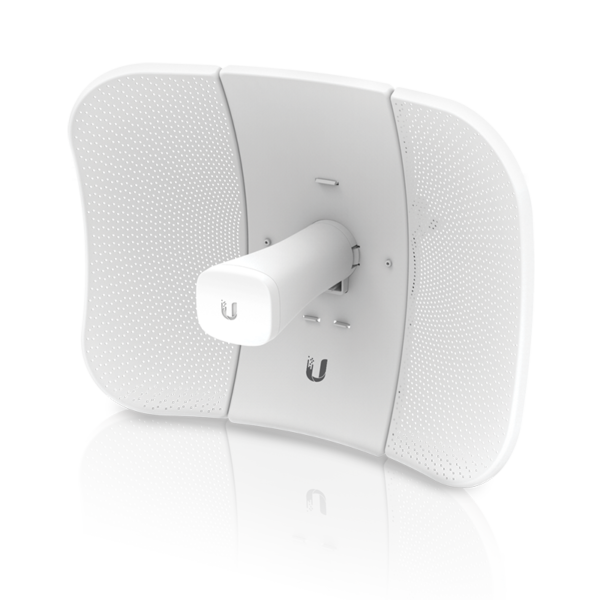
Top Ubiquiti wireless bridge models
- Ubiquiti NanoStation series: A compact outdoor wireless bridge designed for point-to-point and point-to-multipoint links. It is commonly used for connecting remote buildings and extending network coverage across long distances.
- Ubiquiti NanoBeam series: A directional high-gain wireless bridge that delivers improved signal focus and stability. It is ideal for long-range connections requiring consistent throughput.
- Ubiquiti LiteBeam series: A lightweight and cost-effective bridge solution designed for simple long-distance connectivity with easy installation and strong performance in clear line-of-sight environments.
- Ubiquiti PowerBeam series: A high-gain wireless bridge built for stable, high-capacity connections over extended distances. It is commonly used in ISP backhaul and enterprise network links.
- Ubiquiti airFiber series: A carrier-grade wireless backhaul solution designed for ultra-high throughput, low latency, and mission-critical point-to-point connectivity over long distances.
Top Ubiquiti wireless bridges by use case
| Model | Primary use case | Standout hardware specs | Best for |
| NanoStation series | Basic point-to-point links | Compact outdoor design, dual-polarity antennas | Small offices and building-to-building links |
| NanoBeam series | Stable directional connectivity | High-gain focused antenna, improved noise isolation | Long-range links requiring stable performance |
| LiteBeam series | Entry-level long-distance links | Lightweight design, cost-efficient deployment | Budget outdoor connectivity projects |
| PowerBeam series | High-capacity wireless links | High-gain dish antenna, strong throughput performance | ISP and enterprise backhaul connections |
| airFiber series | Carrier-grade backhaul | Ultra-low latency, very high throughput, licensed/unlicensed options | Critical infrastructure and ISP networks |
Key advantages of Ubiquiti wireless bridges
- Long-range connectivity: Designed to connect locations over several kilometers while maintaining stable and consistent network performance.
- High throughput performance: Optimized for high-speed data transmission, making them suitable for bandwidth-heavy applications such as video surveillance and network backhaul.
- Outdoor durability: Built for harsh environmental conditions with weather-resistant housings for reliable outdoor deployment.
- Flexible deployment options: Supports both point-to-point and point-to-multipoint configurations depending on network requirements.
- Unified ecosystem integration: Works seamlessly with Ubiquiti switches, routers, and access points, enabling centralized monitoring and network control through the UniFi ecosystem (where applicable).
Upgrade your infrastructure with Ubiquiti wireless bridges to extend network connectivity across buildings, remote sites, and large outdoor areas without the need for expensive cabling. These solutions are ideal for organizations that require stable, high-speed links over long distances. Choose the right Ubiquiti wireless bridge based on your deployment needs, whether you require a simple building-to-building connection or a high-capacity carrier-grade backhaul solution for enterprise and ISP networks.