

Jan
It is not currently possible to purchase a standard Starlink internet bundle or plan and use it with your mobile phone without purchasing the required Starlink hardware kit.
The Starlink network requires its proprietary dish (antenna) and router to communicate with the satellites.
The Need for Starlink Hardware
The core Starlink service, which provides high-speed internet for general use (streaming, browsing, data), relies on a physical setup that includes:
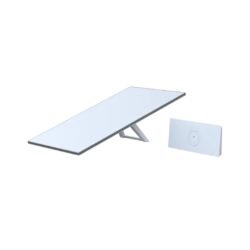
- A Starlink dish (Standard, Mini, or Performance) to receive the satellite signal.
- A Wi-Fi router (sometimes integrated with the power supply, as in the Mini kit) to create a local Wi-Fi network that your phone and other devices connect to.
- Cables and a power supply.
Your standard mobile phone cannot directly connect to the Starlink satellites for general internet browsing or streaming because it lacks the necessary antenna and modem technology to communicate at the frequencies used by the Starlink constellation.
The “Direct to Cell” Service (Future Option)
Starlink is rolling out a separate service called Direct to Cell, which allows compatible, unmodified smartphones to connect directly to satellites, acting as “cell towers in space”.
- No Kit Required: This service works on standard LTE phones (such as the iPhone 14 and newer, and Samsung Galaxy S21 and newer) without any additional hardware.
- Carrier Partnership is Key: It will only be available through partnerships with mobile network operators, not as a standalone Starlink subscription you buy directly.
- Current Limitations: As of late 2025, this service primarily supports text messaging and emergency services. Full voice and data capabilities are expected to roll out later.
- Availability in Kenya: The Direct to Cell service has not yet officially launched with Kenyan mobile carriers, but expansion is ongoing globally.
Summary
To use Starlink for general mobile internet access today, you must purchase a complete Starlink hardware kit and subscribe to a plan (like a Mobile Regional plan for travellers). Your phone then connects to the Starlink router’s Wi-Fi signal.
You can purchase a Starlink kit from the Tdk official Starlink dealer in Nairobi and through authorised resellers in Kenya
Starlink Kits (Mini and Standard V3)
Starlink Internet Kenya
Starlink Gen 3 Standard Kit (V3) Dish, Router & Power Supply

Starlink Internet Kenya
Starlink Mini kit kenya-4th Gen Mini Antenna with Wi-Fi Router
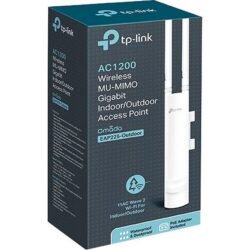
Starlink WiFi Internet Expansion Indoor and outdoor
Starlink Internet Kenya
Starlink Internet Kenya

Starlink Internet Kenya
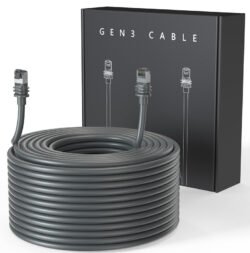
Starlink Cat6 FTP Ethernet LAN Cable – Pre-Terminated High-Speed Network Cable
Starlink Internet Kenya
46 Meter Starlink Standard Actuated Ethernet Cable Waterproof Cat6 Cable
Starlink Mounting Kits and Brackets
Starlink Internet Kenya
Starlink Roof Mount Kit – Adjustable Ballast Mount for Starlink Dish
Starlink Internet Kenya

Starlink Internet Kenya
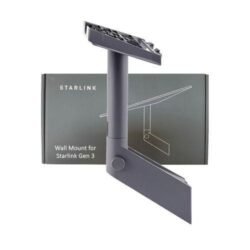
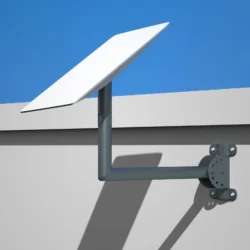
Starlink Gen 3 Adjustable Mount Kit – Stainless Steel Pipe Adapter for Wall, Roof, or Pole Mounting

Starlink Internet Kenya

Starlink Internet Kenya
The Need for Starlink in Kenya
The demand for Starlink is driven by three primary factors:
- Infrastructure Gaps: Only about 42% of Kenyans had reliable broadband as of 2025, with fiber rollouts being too expensive for remote counties like Turkana, Garissa, or Kitui.
- Speed and Latency: Starlink typically offers speeds between 50 Mbps and 250 Mbps with latency as low as 20–50ms, significantly outperforming traditional satellite and many rural mobile data options.
- Reliability: It bypasses ground-based infrastructure, making it immune to common local issues like fiber cable cuts or tower outages due to power instability.
Current Market and Performance (2026)
While initially a “premium” product, Starlink’s 2026 position is defined by rapid adoption followed by capacity management:
- Market Share: As of mid-2025, Starlink held roughly 0.9% to 1.1% of the fixed internet market in Kenya.
- Saturation Challenges: High demand led to a temporary halt in new residential sign-ups in high-density areas like Nairobi and Kiambu in late 2024 and early 2025 due to satellite capacity limits. Service resumed in mid-2025 following the launch of a ground station in Nairobi.
- Local Distribution: Official resellers like Spacelink Kenya and Karibu Connect now provide localized support, billing in KES, and professional installation.
Pricing and Packages (2026)
| Package | Target Audience | Hardware Cost (KES) | Monthly Fee (KES) |
| Residential Lite | Students / Light users | ~27,000 (Mini) | 1,300 (50GB cap) |
| Residential (Standard) | Home users / Remote work | ~45,000 – 92,000 | 6,500 (Unlimited) |
| Roam (Mobile) | Travelers / Nomads | ~45,000 – 110,000 | 8,000 – 14,000 |
| Business / Enterprise | SMEs / NGOs / Lodges | ~170,000 – 500,000 | 32,000+ |
The Case for Adoption
- Education & Healthcare: Enables virtual classrooms in Wajir and telemedicine consultations in Samburu, areas previously cut off from high-bandwidth services.
- Back Internet Option for the Office
- Tourism: Wildlife lodges in remote parks use Starlink to offer high-speed guest Wi-Fi, improving their competitive edge in the luxury market.
- Payment Flexibility: New “Lipa Pole Pole” (pay later) options through partners like Laptop Clinic allow users to pay a deposit and clear the balance over 24 weeks, making the high upfront hardware cost more manageable.